
“Breathing Relaxation Postures for Asthma Patients: Enhancing Comfort and Control”
:
Asthma patients frequently encounter shortness of breath and chest tightness, particularly during flare-ups. Breathing exercises, combined with appropriate relaxation postures, can facilitate airway expansion, alleviate discomfort, and enhance overall respiratory function. These techniques are non-invasive and can be conveniently practiced at home to effectively manage asthma symptoms.
Effective Relaxation Postures for Asthma Management:
1. Sitting Forward Leaning Pose:
Sit on a chair with your feet firmly planted on the ground. Lean forward slightly, resting your elbows on your knees or a table. This posture relaxes the chest muscles, facilitating easier breathing.
2. High-Supported Side-Lying Position:
Lie on your side with your head and upper body elevated using pillows. This position reduces lung pressure, facilitating easier breathing.
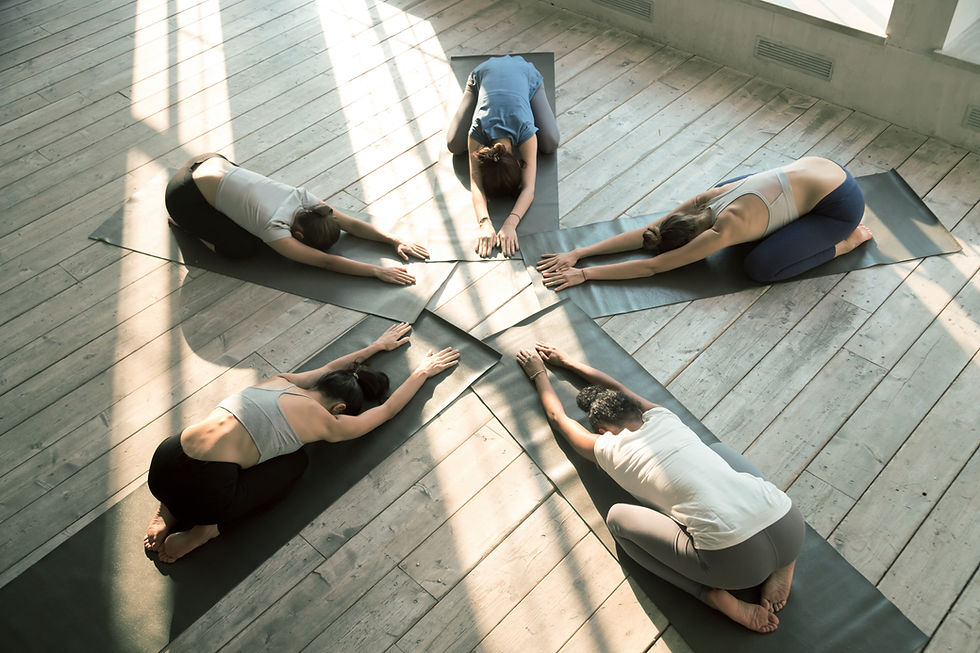
3. Child’s Pose (Balasana):
Kneel on the floor and sit back on your heels, extending your arms forward while lowering your forehead to the ground. This yoga pose promotes relaxation and regulates breathing during mild asthma symptoms.
Breathing Techniques to Complement Postures
1. Pursed-Lip Breathing:
Inhale deeply through your nose and exhale slowly through pursed lips, mimicking the act of blowing out a candle. This technique facilitates airway expansion and alleviates shortness of breath.
2. Diaphragmatic Breathing:
Place one hand on your chest and the other on your abdomen. Concentrate on breathing deeply into your abdomen, causing the lower hand to rise and fall with each breath. This method strengthens the diaphragm and diminishes the respiratory effort required.
3. Buteyko Breathing Technique:
Focus on shallow, controlled breathing to mitigate hyperventilation and manage asthma triggers. This technique is particularly effective in preventing asthma attacks.

Conclusion
Relaxation postures and breathing exercises are indispensable tools for asthma patients to manage symptoms and enhance respiratory efficiency. By diligently practicing these techniques, individuals can augment their lung function, reduce the severity of flare-ups, and gain improved control over their condition. It is advisable to consult with a healthcare provider or physiotherapist to ascertain whether these methods are appropriate for your specific needs.


