
Understanding Stroke: Its Causes and Effects
A stroke is a medical emergency that is frequently referred to as a "brain attack." It occurs when a blood vessel bursts or when blood flow to a portion of the brain is blocked. Brain cells start to die in the absence of blood, which can result in permanent harm. Protecting yourself and others requires prompt action, and the first step is to understand what a stroke is and why it occurs.
Stroke - causes and effects
What Leads to a Stroke?
There are two primary categories of strokes, and each has a distinct cause:
The most prevalent kind of stroke is an ischaemic stroke, also known as a "blockage" stroke. It is brought on by a blood clot obstructing an artery that supplies blood to the brain. This blockage may originate in the arteries of the brain or may spread from the heart or another area of the body.
Hemorrhagic stroke, also known as the "Bleeding" stroke, is a less frequent but more serious kind of stroke that occurs when a brain blood vessel bursts. The bleeding puts pressure on the brain and damages brain tissue. This is frequently associated with chronic hypertension, which over time can weaken blood vessels.

The Warning Signs: Act Quickly!
The most crucial thing you can do is to recognise the symptoms of a stroke. Every second matters. Remembering what to look for is made easier by the acronym F.A.S.T.
F-Face Drooping: Does one side of the face droop or feel numb?
A-Arm Weakness: Is one arm numb or weak? When raised, does it drift downward?
S- Speech Difficulty: Do they have slurred or difficult-to-understand speech?
T-Time to Call: Contact emergency medical assistance right away if you notice any of these symptoms.
The Effects of Strokes:
Depending on which area of the brain was injured, each person experiences a stroke in a different way. There may be mental, emotional, or physical repercussions.
Physical Effects: It is frequently difficult to walk or use an arm due to weakness or paralysis on one side of the body.
Communication Issues: A lot of survivors struggle to express themselves, find the right words, or comprehend what other people are saying.
Emotional Impact: Depressive, anxious, and frustrated feelings can result from a stroke.
Families are also impacted by strokes because loved ones frequently take on the role of carer and face new difficulties in day-to-day living.
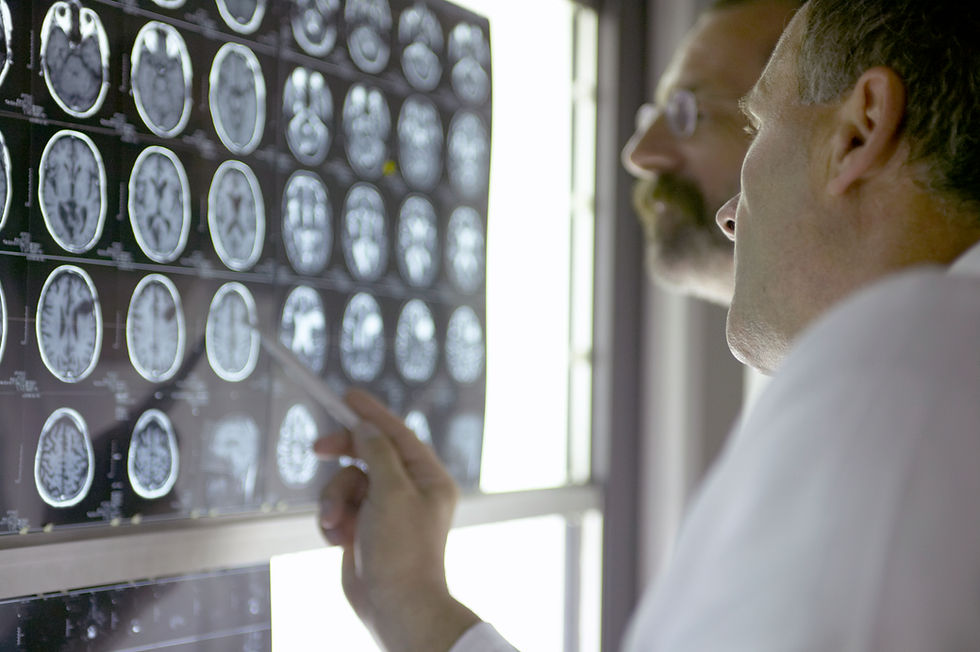
Taking the Lead: Prevention Is Essential
Many strokes can be avoided, even though they can feel unexpected and sudden. Managing your risk factors is the most crucial action you can take.
Monitor your blood pressure because it is the primary cause of stroke.
Remain active: Frequent exercise lowers cholesterol and blood pressure.
Eat a diet low in cholesterol, saturated fats, and salt.
Avoid smoking: Smoking raises your risk and damages blood vessels.
Avoid alcohol intake because too much of it can cause your blood pressure to rise.


